Our Curriculum

Our curriculum is intentionally broad to instil a depth of knowledge and develop core skills needed to flourish in adulthood.
The Trivium
Progression through our school is based on the Classical Trivium of Grammar, Logic and Rhetoric. Traditionally these were the foundational arts of a Liberal education centred on the mastery of language and logical thought which was (and still is) necessary for free citizens. We are teaching these in line with children’s developmental stages.
Grammar Phase
-
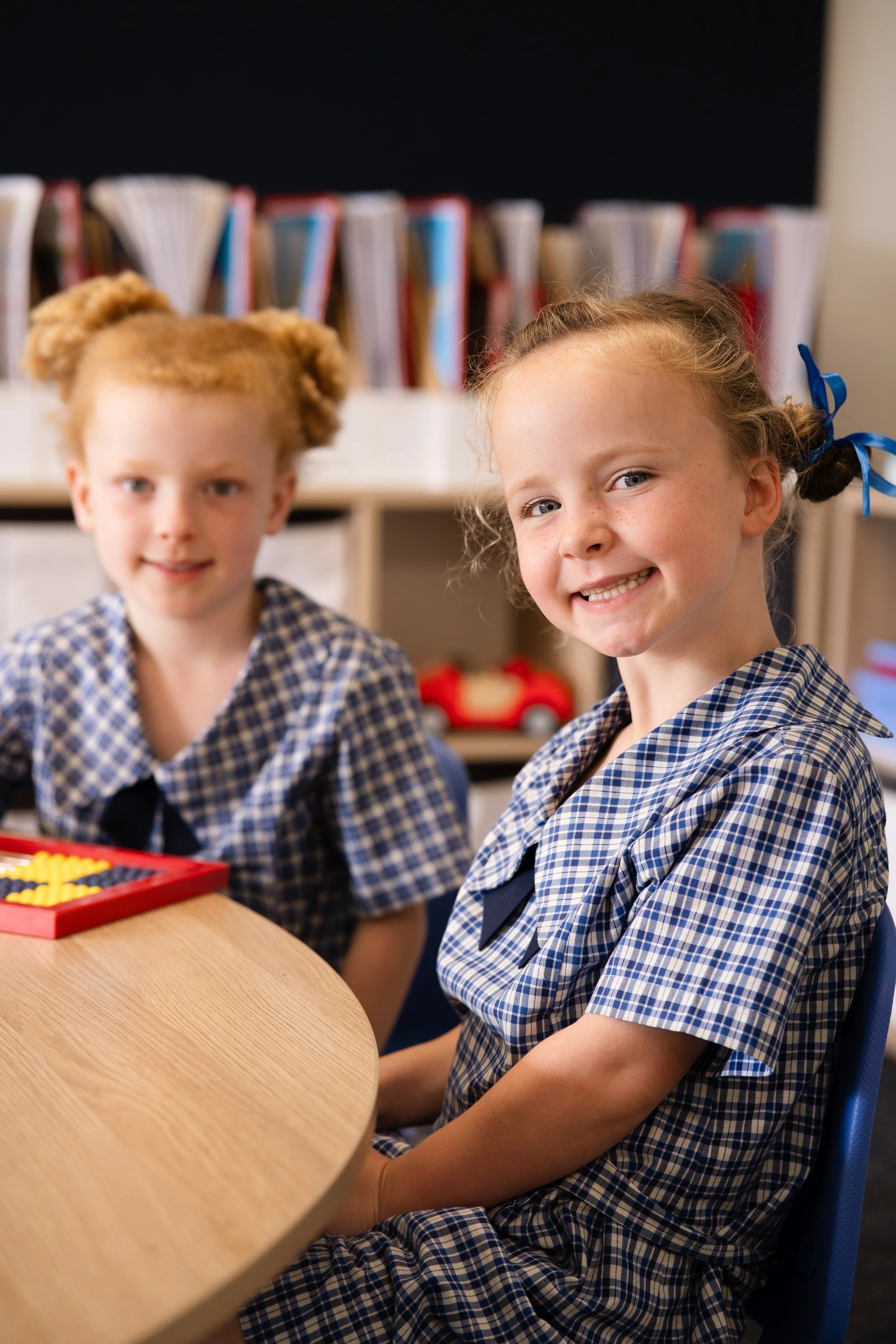
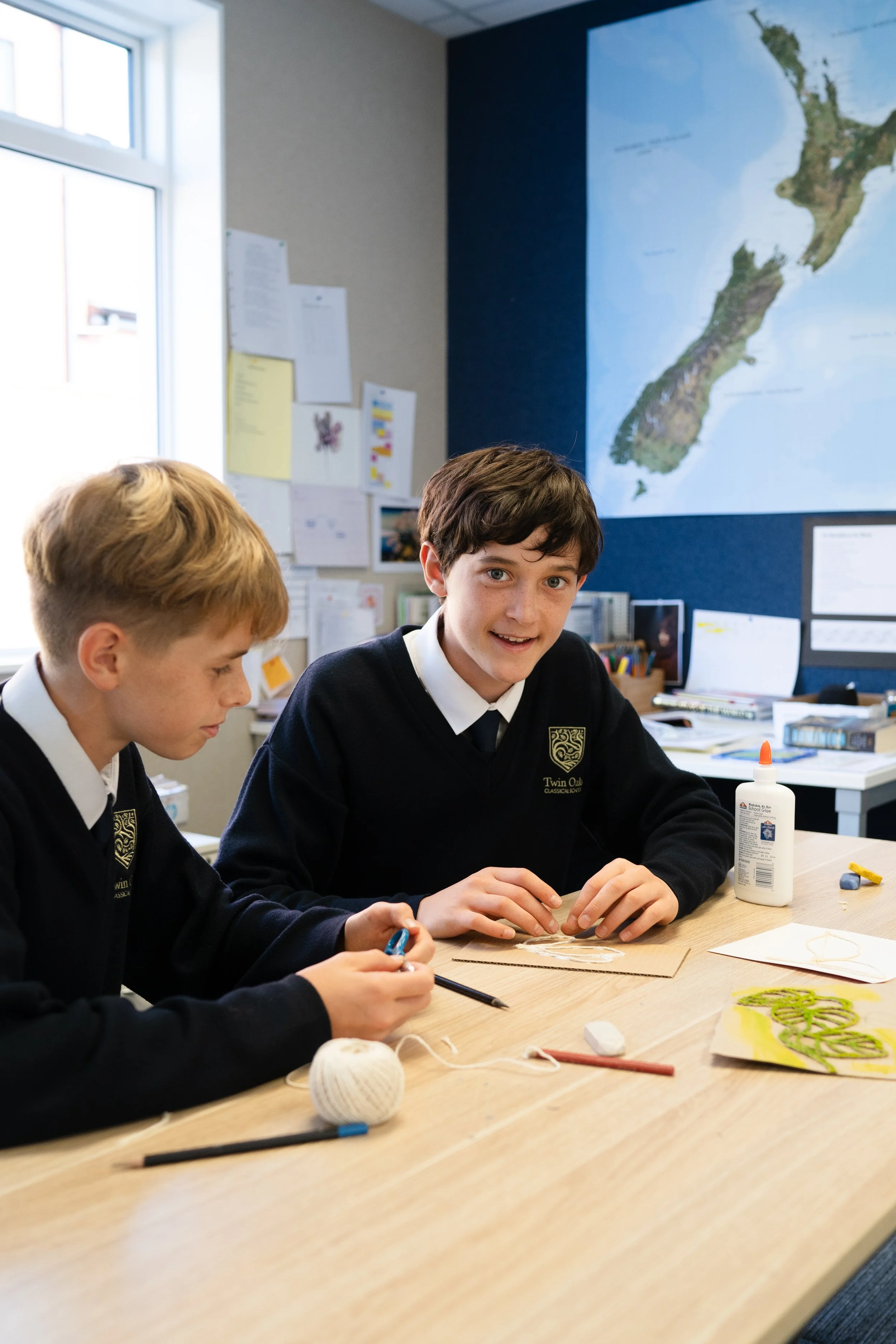
At this developmental stage children understand concrete concepts and are capable of quickly absorbing large amounts of information. Our primary aged children are given extensive foundational knowledge in mathematics, grammar, Latin and history and are immersed in stories, tales and fables. Nature study and art activities nurture observation and creativity.
Logic Phase
-
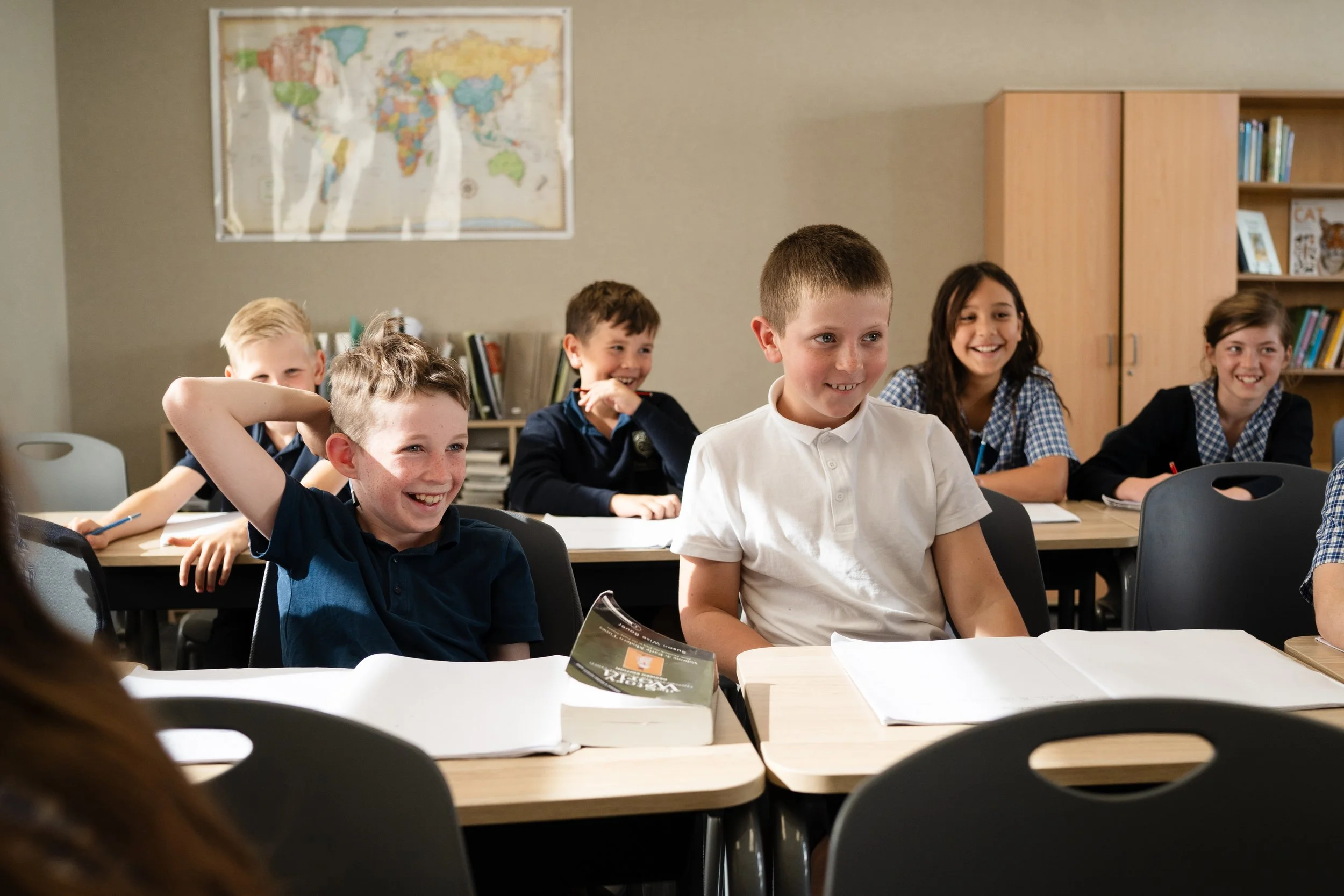
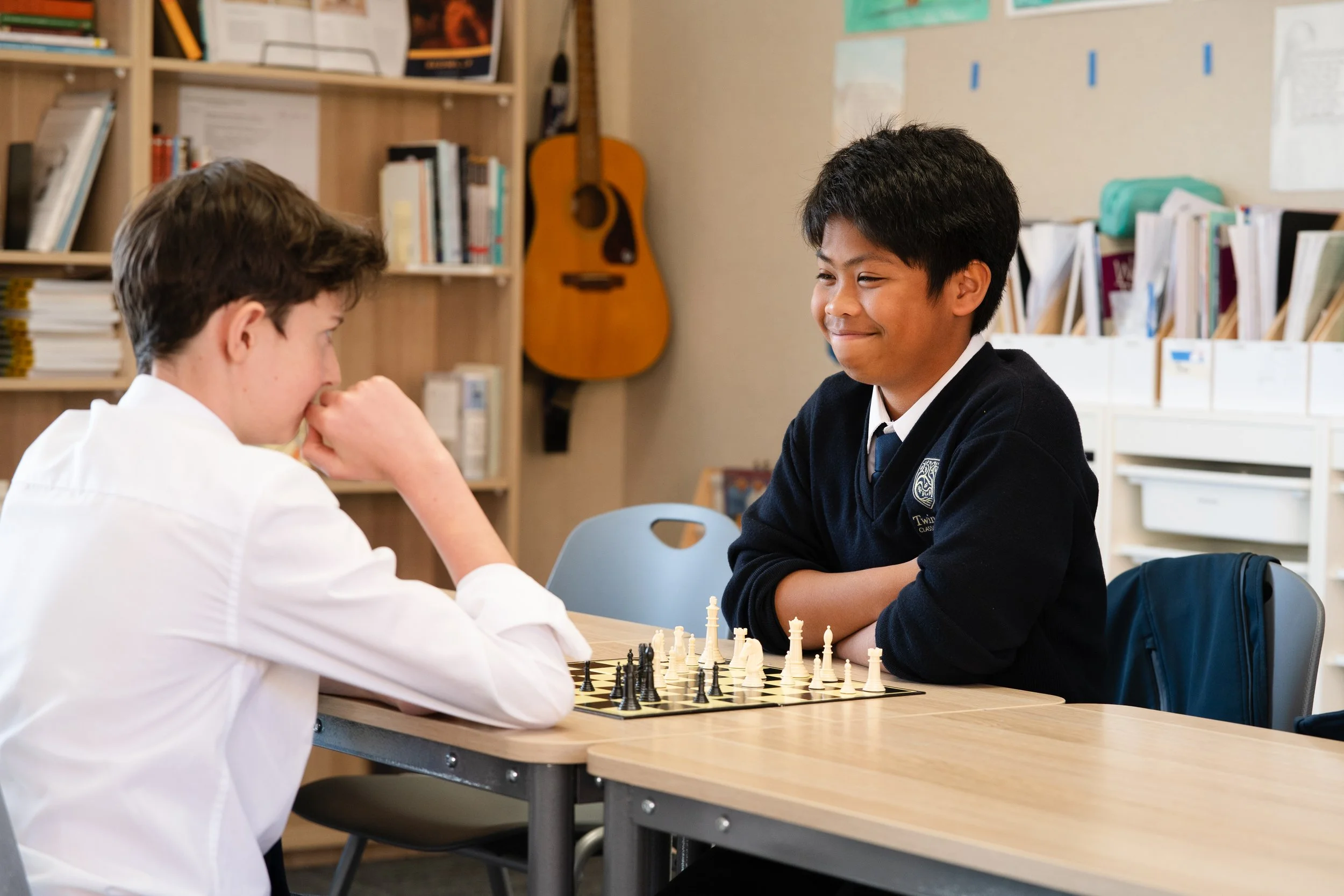
In the Middle school children typically develop the ability to think in abstractions and therefore we begin teaching Logic, alongside progression in maths, writing, Latin and increased world knowledge of history and geography. Children are taught to reason well and form logical arguments with opportunity for debate.
Rhetoric Phase
-
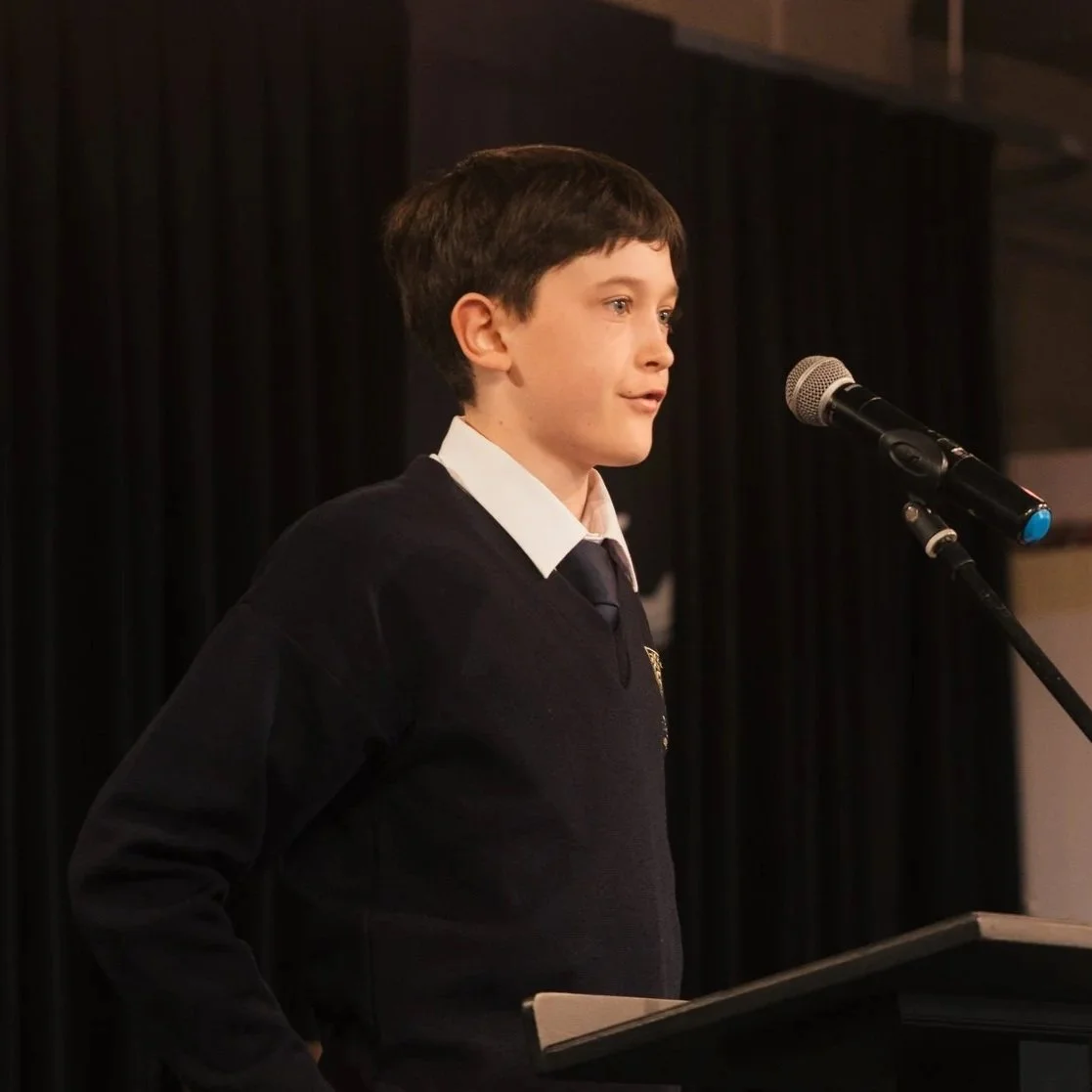
Our High School students will become fluent in expressing their ideas through intentional training in the arts of communication. This is the Rhetoric phase which assists young people in making connections across learning areas. Students master communication, debate, and synthesis across disciplines. They prepare for international qualifications and learn to articulate their ideas with clarity and grace.
Charlotte Mason Distinctives
Habit training, atmosphere and living books.
Nature study, art appreciation and poetry.
Children learn by doing, narrating, and exploring.
Learning Areas
-
Enjoying literature is foundational to a Twin Oaks education; our students begin to encounter the ‘Great Books’ and delight in the characters they meet. Through exposure to great written works and excellent stories, children cultivate taste, empathy, and a love for language, following the Charlotte Mason progression of first absorbing, then expressing, and finally interpreting literature.
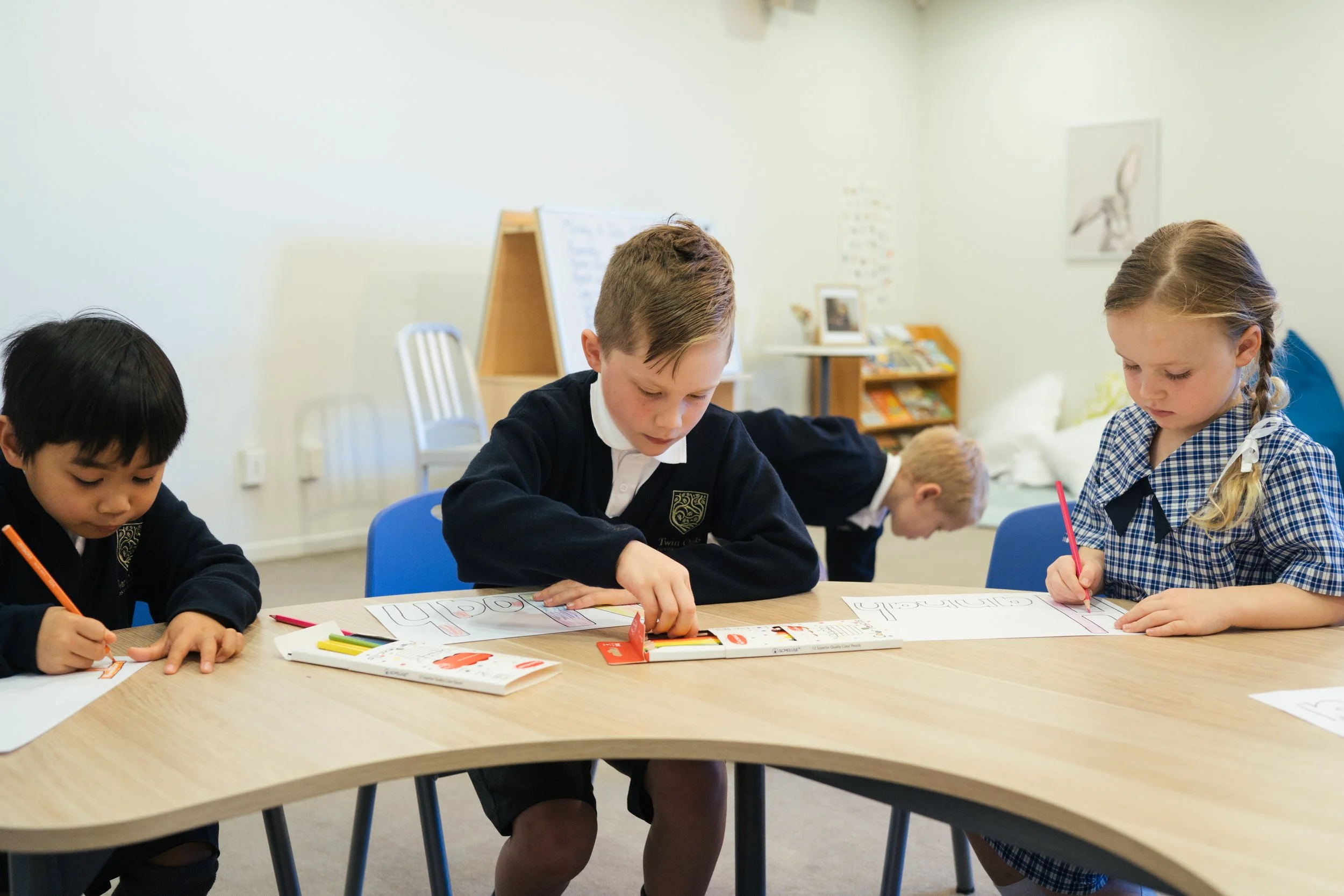
Our writing instruction blends the Charlotte Mason approach of copywork and narration with the systematic progression found in the progymnasmata method from classical education. Students begin with careful copywork to internalise excellent language and master the mechanics of writing. Gradually they move to more structured composition and rhetorical exercises.
Children learn grammar rules through songs in the Grammar phase and begin to study the subject formally in the Logic phase of the school. This balanced progression fosters clarity, creativity, and eloquence as students grow from simple expression to sophisticated argumentation.
-
Latin instruction begins with oral practice through songs and chants which the children really enjoy. In the Logic classes children begin to learn Latin grammar and vocabulary systematically. We teach Latin because it is the foundation of English language and grammar. We consider it Logic in the realm of language the way maths is Logic in the realm of number; in this way Latin develops sound reasoning skills.
The Charlotte Mason philosophy also compels us to lean into Te Reo Māori for the sake of appreciating the indigenous culture and building strong relationships in Aotearoa. Our younger children sing in Te Reo daily. As they mature, we teach them language and grammar with a focus on correct pronunciation.
-
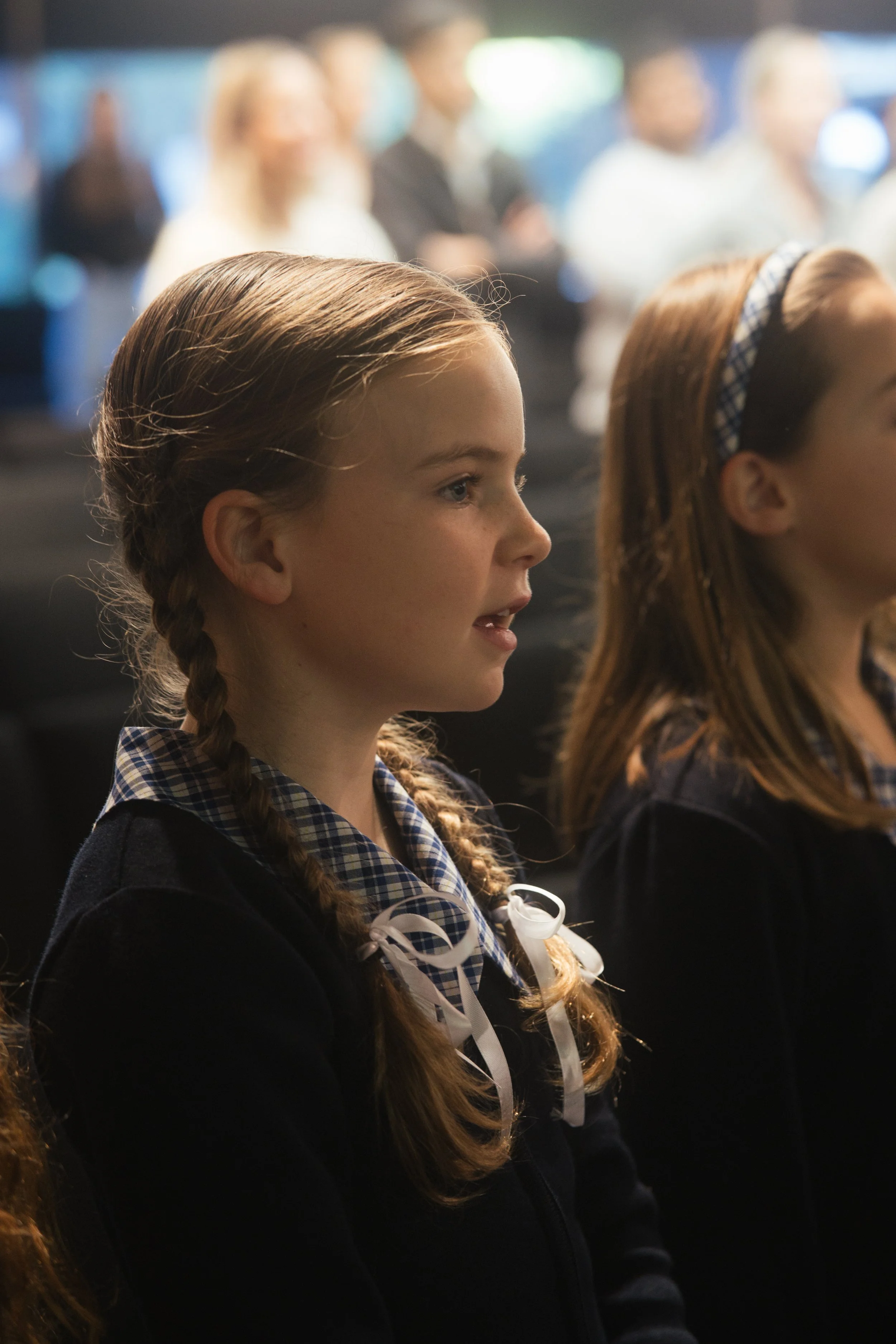
We immerse in many different music styles: hymns are beautiful and cultivate reverence; folksongs are fun as ‘the songs of the people’. We also study a different composer each term, learning to appreciate different musical voices, styles and eras. Currently we also offer itinerant lessons in piano, singing, guitar and trumpet during class time for interested students through our partnership with MusoMinds. At different times in the year we run a choir programme.
We want all our students to enjoy the pleasure that comes from theatre and great story-telling. In the Grammar phase children begin to develop confidence through recitation and oral narration in front of the class. We teach drama lessons in the Logic years and students begin to give oral presentations. They further develop their Rhetoric skills in High School through debating, speeches and monologue performances.
-
Developing a strong service ethic is an important part of our school culture. We also build in opportunities to serve different communities in the local area, and our senior students will be intentionally learning from great leaders in business, civil society and government.
Charlotte Mason said: “Never be within doors if you can rightly be without.” Our families often do their lessons outside on Thursday and Friday or meet at a local park. Presently we visit Cornwall Park as a whole school once a week for lunch, nature study and physical activity. Our High School students will be completing the Duke of Edinburgh programme which includes outdoor excursions and challenges and once a term the whole school gathers on a Friday for a social time outdoors.
-
Reading forms the foundation of our curriculum. New entrants start with structured phonics, progressing naturally to wide reading of living books that inspire and educate. Children read ‘living books’: well-crafted stories that bring a subject to life.
Narration is the art of telling what you know. It consolidates learning and develops the arts of communication. In the early years children narrate their lessons and books orally. As they master writing skills, they transition slowly to narrating their lessons in written form.
-
In the early years, nature study fosters scientific thinking and skills of observation and asking questions. We foster a love of our natural environment through regular nature walks, careful observation, and journaling, recording discoveries through both written narration and artistic representation. This approach, central to Charlotte Mason’s philosophy, cultivates habits of attention, wonder, and stewardship of the natural world.
Children learn science through living books and narration and hands-on experiments. Content becomes progressively more complex as students mature into the High School years. We venture into many branches of science to create a broad knowledge of the world and an understanding of how science has developed over millennia.
-
We aim to cultivate a love for the arts and foster age-appropriate artistic and hand-crafting skills across all year groups. The Charlotte Mason method requires children to work with their hands and experience different modes of art.
Each term we immerse ourselves in the great works of a single artist, learning to appreciate storytelling, light, colour, texture, symbolism and more. We use the Charlotte Mason method of a weekly picture study lesson and in this way students begin to place artists in different time periods and build their own internal gallery of the world’s best art.
-
In our High School, our students will be introduced to the big ideas in politics, philosophy and economics. This will involve plenty of reading, discussion, debating and essay writing as they hone their Rhetoric skills. They will also learn the fundamentals of the financial system and entrepreneurship.
-
We focus on developing confident mastery of mathematical concepts. In the early years students use manipulatives to ground their understanding in the concrete. Our curriculum is robust and follows many of the same principles as Singapore Maths. It is also accessible for parents and students to use at home.
The art of logical reasoning and discerning fallacies is essential in a Classical education. Students start learning formal Logic in years 7-9. Mathematics and Latin also develop reasoning skills.
-
Children take delight in Shakespearean stories in the Grammar phase and begin to read full Shakespeare texts in the Logic Phase. Our students gain confidence in reading and performing this master of the Western Canon and enjoy lively discussion.
Poetry is learned and enjoyed through memorisation, recitation, and appreciation of poetic form. Children encounter poetry as living language—reading, copying, narrating, and reflecting on poems before analysing or composing their own. This gradual approach helps them develop sensitivity to rhythm, imagery, and the beauty of words.
-
Students participate in a daily liturgy time including hymns, scripture reading, memorisation (e.g. creeds) and karakia in both English and Te Reo Māori. They also learn theology in age-appropriate ways, starting with immersion in the Big Story of Scripture, through which we aim to cultivate a hopeful vision of life.
-
History is experienced through living books, biographies, songs, and as students mature: primary sources. Knowing our story is essential so our students learn world history, classical history, art history, New Zealand history, and, in later years, church history. This broad knowledge base helps students interpret past events with clarity and grace as they grow in wisdom.
Tamariki learn geography through reading living books and stories, map study and field trips. Students learn that all events and stories take place somewhere and are encouraged to make connections with geography as they study literature, history, art and science.
“Education is not a subject, and does not deal in subjects. It is instead the transfer of a way of life.”
— G.K. Chesterton
Explore Twin Oaks Classical School
FAQ
Enrolment
About